
WEATHER
Weather at Buzludzha Monument: Seasonal Guide & Safety Information
Plan your visit with confidence - understanding mountain weather conditions at 1,432 meters elevation
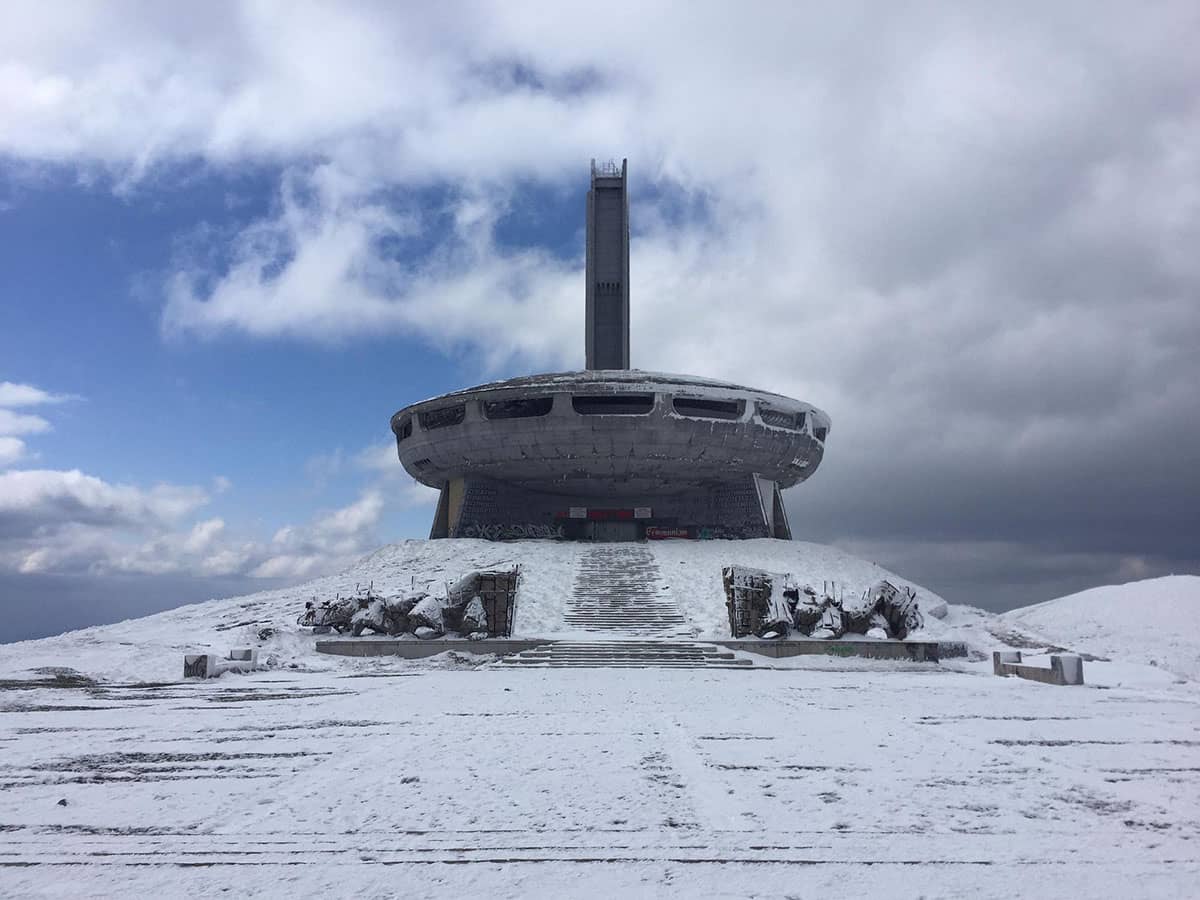
Buzludzha Monument experiences dramatically different weather than the valleys below. Understanding these conditions is crucial for planning your visit safely and enjoyably.
The weather here can change rapidly, and what starts as a beautiful morning can quickly turn challenging.
We continuously monitor weather forecasts and mountain conditions to ensure your safety and the best possible experience during your day trip from Sofia or Plovdiv.
Best Times to Visit
- June - September: Most reliable conditions
- Late May: Combines good weather with rose season
- Early October: Beautiful autumn colors, still generally accessible
- Early spring: Snow-covered landscape contrasts
- Autumn: Fall colors and dramatic skies
- Early morning or late afternoon: Best light year-round
Seasonal Weather Guide
Spring (March - May)
Conditions
- Highly variable and unpredictable;
- Temperatures: 0°C to 15°C (32°F to 59°F) at peak;
- Snow possible, especially early spring;
- Strong winds common;
- Rain showers frequent;
- Muddy trails from melting snow.
Best Months
Late April and May generally offer better conditions than early spring.
What to Bring
- Warm layers, including fleece ora light down jacket;
- Waterproof rain jacket and pants;
- Warm hat and gloves (even in late spring);
- Sturdy waterproof boots;
- Sun protection (UV exposure increases with elevation).
Considerations
Spring can be spectacular with wildflowers blooming, but be prepared for sudden weather changes. Roads may still be snow-affected in March and early April.
Summer (June - September)
Conditions
- Most stable weather window;
- Temperatures: 10°C to 25°C (50°F to 77°F) at peak;
- Warm days but cool evenings;
- Afternoon thunderstorms possible;
- Generally clear mornings;
- Minimal precipitation.
Best Months
June through early September offer the most reliable conditions.
What to Bring
- Light layers for temperature changes;
- Sunscreen and hat (strong mountain sun);
- Light rain jacket (for afternoon storms);
- Comfortable walking shoes;
- Sunglasses;
- Water bottle.
Special Note
If visiting in late May or June, you may experience the rose harvest season in the valleys - a beautiful bonus combining pleasant mountain weather with blooming rose fields below.
Considerations
Summer is peak season for good reason. The monument is most accessible, the views are spectacular, and the hiking trails are safe. Book tours in advance, as this is the busiest period.
Autumn (October - November)
Conditions
- Increasingly variable as winter approaches;
- Temperatures: -5°C to 15°C (23°F to 59°F);
- Early snow possible, especially late autumn;
- Strong winds common;
- Beautiful fall colors in the forests;
- Shorter days.
Best Month
October is generally safer than November.
What to Bring
- Warm layers, including an insulated jacket;
- Waterproof outer layer;
- Warm hat, gloves, and scarf;
- Sturdy waterproof boots;
- Thermal underlayers.
Considerations
Autumn offers stunning photography opportunities with fall colors and dramatic skies, but the weather becomes less predictable. Late autumn (November) can see winter conditions arrive suddenly.
Winter (December - February)
Conditions
- Harsh and potentially dangerous;
- Temperatures: -15°C to -5°C (5°F to 23°F), windchill much colder;
- Heavy snowfall common;
- Strong winds creating snowdrifts;
- Roads frequently blocked;
- Visibility can drop to near zero in storms;
- Ice formation on roads and structures.
What to Expect
Winter transforms Buzludzha into a dramatically different place. Snow accumulates several meters deep, winds howl across the exposed peak, and conditions can become extreme quickly.
Road Access
Roads to the monument are often impassable without a 4WD vehicle and chains. Conditions can change hour by hour. Many days, reaching the monument is simply impossible.
Our Policy
We continuously monitor winter weather forecasts. If conditions are unsafe, we will cancel tours with full refunds. In some cases, reaching the monument may require a short hike through snow - we'll inform you of this possibility when booking.
What to Bring (if tour proceeds)
- Heavy winter clothing;
- Multiple insulation layers;
- Waterproof winter boots with good traction;
- Winter hat, gloves, and face protection;
- Hand warmers;
- Thermos with a hot beverage.
Safety Warning
Never attempt to visit Buzludzha independently in winter without proper equipment, experience, and companions. Mountain rescue operations in these conditions are extremely difficult.
Book Your Buzludzha Tour Today
Ready to explore Bulgaria's most iconic monument? Join us for an unforgettable journey to this architectural masterpiece.
Mountain Weather Characteristics
Temperature Differences
Expect temperatures at Buzludzha Peak to be significantly cooler than the surrounding valleys:
- 10-15°C (18-27°F) cooler than Sofia or Plovdiv;
- 5-10°C (9-18°F) cooler than Kazanlak or Gabrovo;
- Even cooler with wind chill factor.
Wind Exposure
The monument's exposed position means strong winds are common:
- Wind speeds can exceed 60 km/h (37 mph) even in summer.
- Winter storms bring winds over 100 km/h (62 mph).
- Windchill dramatically lowers the effective temperature.
- Securing loose items and clothing is essential.
Rapid Changes
Mountain weather is notoriously unpredictable:
- A clear morning can become a stormy afternoon.
- The temperature can drop 10°C within an hour.
- Fog can roll in suddenly, reducing visibility.
- Thunderstorms develop quickly in summer afternoons.
UV Exposure
At higher elevation:
- UV radiation is stronger.
- Sunburn risk increases.
- Snow reflects UV, doubling exposure in winter/spring.
- Sunscreen and eye protection are essential year-round.
Local Weather Resources
Frequently Asked Questions
Book Your Buzludzha Tour Today
Ready to explore Bulgaria's most iconic monument? Join us for an unforgettable journey to this architectural masterpiece.
RESOURCES
Learn More About Buzludzha
History of Buzludzha
Discover the complete story from 1868 to today.

The Buzludzha Project
